 Skip to content

Introduction
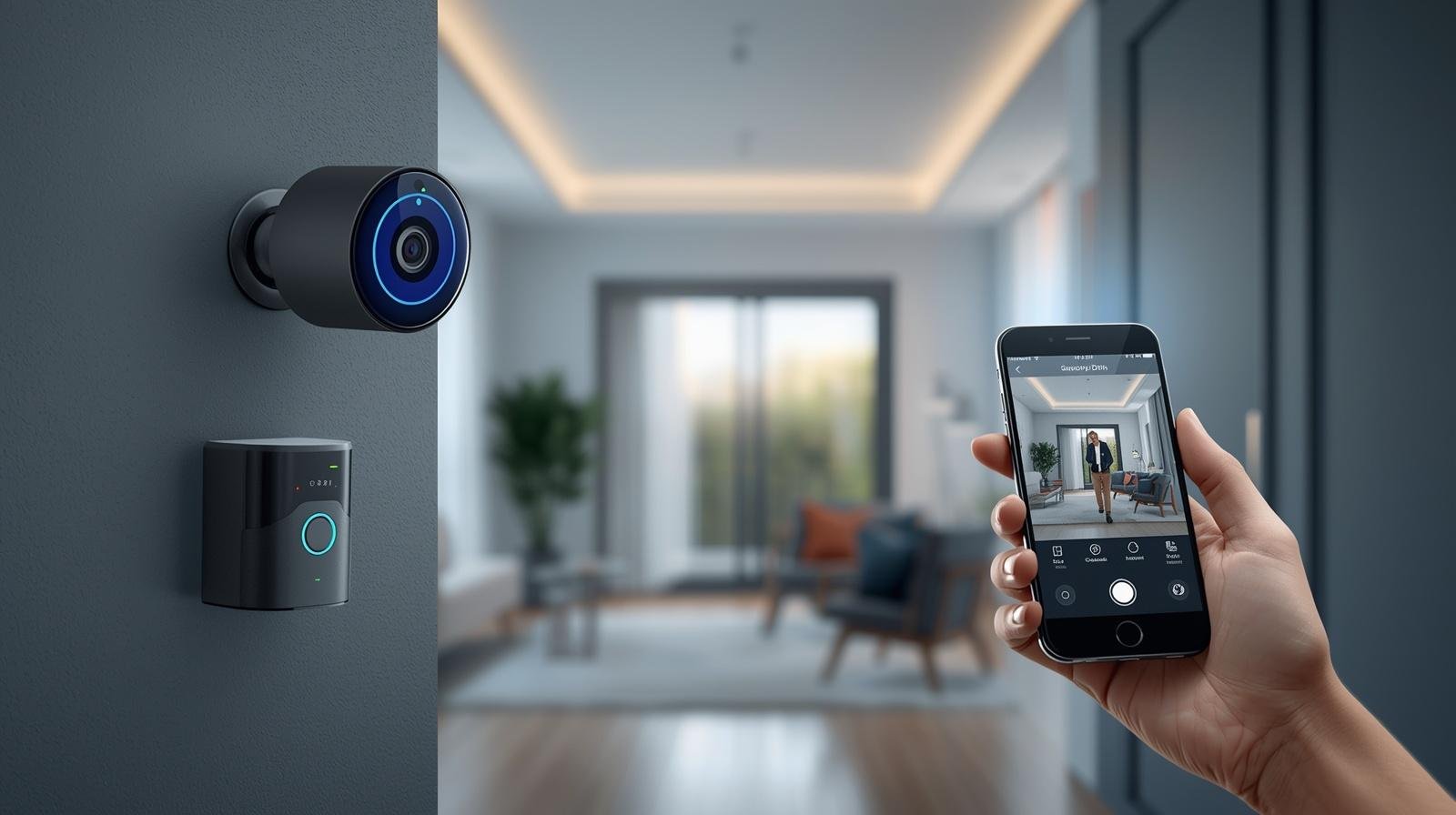
Smart home security systems have completely changed the way people think about protecting their homes. Gone are the days of simple door locks and basic alarm panels. Today, a connected security system gives you real-time visibility, instant alerts, and full control — all from the palm of your hand.
Whether you live in a suburban house or a city apartment, the right system can dramatically reduce your risk of break-ins, fire, and other emergencies. And the best part? These systems are more affordable and accessible than ever before.
Table of Contents
- What Are Smart Home Security Systems?
- Key Benefits of Smart Home Security Systems
- Types of Smart Home Security Systems
- Must-Have Features to Look For
- How Smart Home Security Systems Work
- The Future of Smart Home Security Systems
- Tips for Choosing the Right System
- Conclusion
What Are Smart Home Security Systems?
Smart home security systems are integrated networks of devices — cameras, sensors, locks, alarms, and detectors — that work together to monitor and protect your property. Unlike traditional systems, smart versions connect to the internet and communicate with each other and with you in real time.
These systems are often managed through a central app or hub, giving homeowners complete control from anywhere in the world. According to the U.S. Department of Homeland Security (https://www.dhs.gov), connected home systems are among the most effective deterrents against residential crime.
Key Benefits of Smart Home Security Systems
The advantages of upgrading to a smart security setup go far beyond just locking your doors. Here are some of the most compelling reasons homeowners are making the switch.
Remote Monitoring: You can check live camera feeds, lock or unlock doors, and receive motion alerts no matter where you are. A quick glance at your phone tells you everything you need to know.
Instant Alerts: Smart sensors detect unusual activity — movement, broken glass, smoke, or carbon monoxide — and send push notifications directly to your device within seconds.
Insurance Discounts: Many insurance providers offer reduced premiums for homes equipped with verified smart security systems. It’s a long-term financial win as well as a safety one.
Energy Efficiency: Integrated smart systems can control lighting and thermostats in tandem with security features, helping you save on utility bills while keeping your home protected.
You can read more about connected home benefits in our guide to /smart-home-automation-tips.
Types of Smart Home Security Systems
Not all smart home security systems are built the same. Depending on your needs and budget, there are several categories to consider.
Professionally Monitored Systems: These connect to a third-party monitoring center that dispatches help when an alarm is triggered, even if you’re unreachable. They offer the highest level of protection.
Self-Monitored Systems: You receive all alerts directly and decide when to contact emergency services. These tend to have lower monthly costs and give you more control.
Hybrid Systems: A combination of both, allowing you to self-monitor day-to-day while having professional backup during emergencies or when you’re traveling.
Wireless vs. Wired: Wireless systems are easier to install and more flexible. Wired systems are harder to tamper with but require professional installation.
Must-Have Features to Look For
When comparing smart home security systems, certain features separate excellent systems from average ones. Here’s what to prioritize.
High-Definition Cameras: Look for cameras with at least 1080p resolution, night vision, and wide-angle lenses. Cloud or local storage for footage is also essential.
Smart Doorbell Integration: Video doorbells let you see, hear, and speak to visitors remotely. They’re one of the most popular components of any modern setup.
Motion Detection with AI: Advanced systems use artificial intelligence to distinguish between a person, a pet, and a car — reducing false alarms significantly.
Two-Factor Authentication: Your system is only as secure as your account. Strong login protection ensures no one else can access your cameras or controls.
Battery Backup: Power outages are a common tactic used during break-ins. A system with battery backup keeps working even when the power goes out.
How Smart Home Security Systems Work
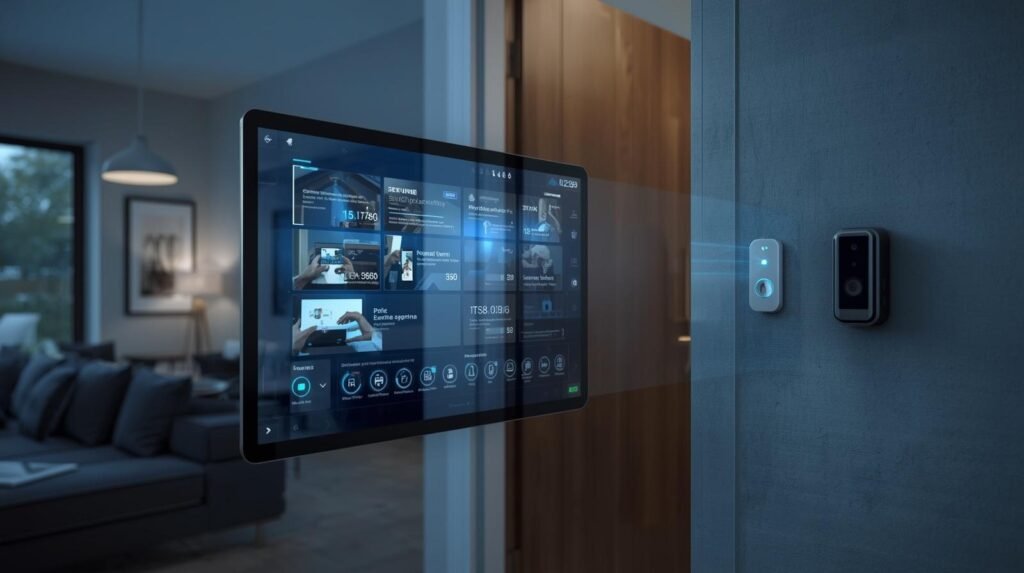
At the core of every smart home security system is a central hub or control panel that connects all devices through Wi-Fi, Z-Wave, Zigbee, or a combination of these protocols. Each sensor, camera, and lock communicates with the hub, which processes information and sends it to the cloud.
From the cloud, data is delivered to your mobile app in real time. When a sensor is triggered — say, a window opens unexpectedly — the hub detects it, the cloud logs it, and your phone buzzes within moments.
Most modern systems also integrate with voice assistants like Amazon Alexa and Google Home, making it easy to arm your system, check camera feeds, or lock your doors with a simple voice command.
For a deeper technical breakdown, Wikipedia’s article on home automation (https://en.wikipedia.org/wiki/Home_automation) provides excellent background on how these interconnected systems function.
The Future of Smart Home Security Systems
The smart home security industry is evolving at a rapid pace. Emerging technologies are making systems smarter, faster, and more intuitive than ever.
Facial Recognition: Some systems can now recognize the faces of family members and approved visitors, automatically unlocking doors or sending tailored alerts.
Predictive Analytics: AI-powered platforms are beginning to analyze behavioral patterns in your home and flag anomalies before a problem occurs.
5G Connectivity: Faster, more reliable wireless networks will reduce latency, meaning alerts and video streams will be even more immediate and crisp.
Integration with Emergency Services: Future systems may connect directly with local police, fire departments, and medical services — cutting response times dramatically.
The smart home security market is expected to grow significantly over the next decade, driven by increasing consumer awareness and falling hardware costs.
Tips for Choosing the Right Smart Home Security Systems
With so many options available, narrowing down your choice can feel overwhelming. These practical tips will help you make a confident decision.
Assess Your Home’s Vulnerabilities: Walk around your property and identify entry points, blind spots, and areas of concern. This tells you how many cameras and sensors you’ll realistically need.
Set a Budget: Determine what you’re comfortable spending on both hardware and ongoing monitoring fees. Many solid systems offer flexible, tiered plans.
Check Compatibility: If you already own smart devices like thermostats or voice assistants, make sure your new security system is compatible with your existing ecosystem.
Read Independent Reviews: Look beyond brand marketing. Sites like Consumer Reports and independent tech publications offer unbiased comparisons and real-world performance data.
Consider Scalability: Choose a system that lets you add devices over time. Your needs today may be different from your needs two years from now.
For more guidance on setting up your smart home, explore our article on /home-automation-beginners-guide.
Conclusion
Smart home security systems are no longer a luxury — they’re a smart, practical investment for anyone who values safety, convenience, and peace of mind. From HD cameras and AI-powered motion detection to remote access and professional monitoring, today’s systems offer an impressive range of tools to keep your home and loved ones safe.
The key is to understand your specific needs, compare your options carefully, and choose a system that grows with you. Whether you’re starting small with a single video doorbell or building a comprehensive whole-home setup, taking that first step is what matters most.
Your home is your sanctuary. Smart home security systems help make sure it stays that way.

